

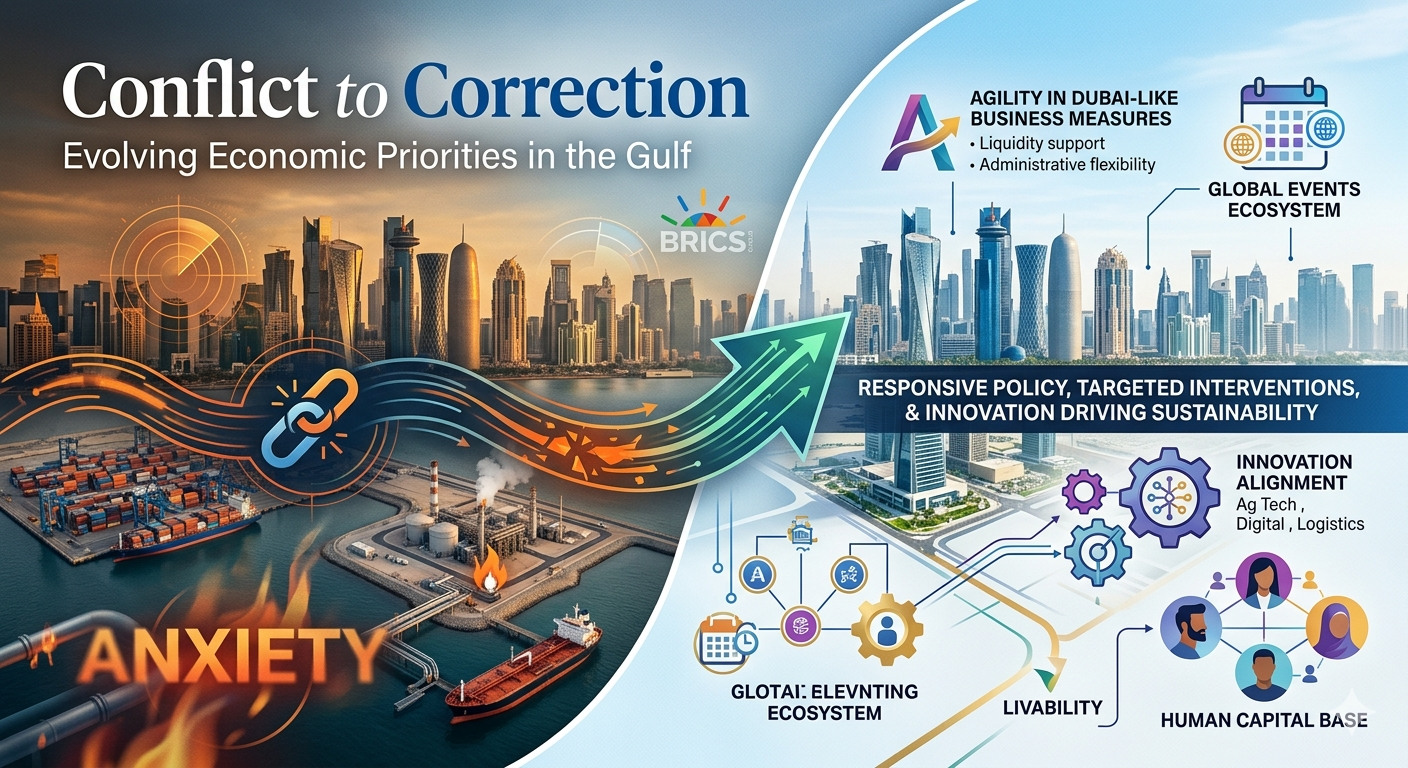
The recent phase of military tension involving the United States–Israel coalition and Iran appears to be moving toward gradual de-escalation. Even so, the economic effects of several weeks of heightened uncertainty are likely to persist across sectors and regions.
Energy market anxieties, including localized supply disruptions, have once again highlighted the importance of resilient distribution systems. Within the Gulf Cooperation Council (GCC), the impact has been both economic and psychological. Security-related developments in Saudi Arabia, Qatar, and the United Arab Emirates have contributed to a more cautious business environment, with enterprises—particularly SMEs—adjusting operations in response.
Responsive policy frameworks in action
Governments across the GCC have responded with notable agility. In Dubai, for instance, business support measures—ranging from fee adjustments to administrative flexibility—have helped ease immediate pressures. Similar initiatives across the region, including liquidity support and regulatory facilitation, reflect the strength of institutional responsiveness.
Such measures have played an important role in maintaining stability. As the region transitions toward recovery, they also provide a foundation for longer-term policy evolution.
Sustaining a globally connected growth model
Over the past two decades, GCC economies have established themselves as globally connected centres for trade, investment, and innovation. Cities such as Dubai and Doha have developed dynamic ecosystems spanning finance, technology, tourism, and business services.
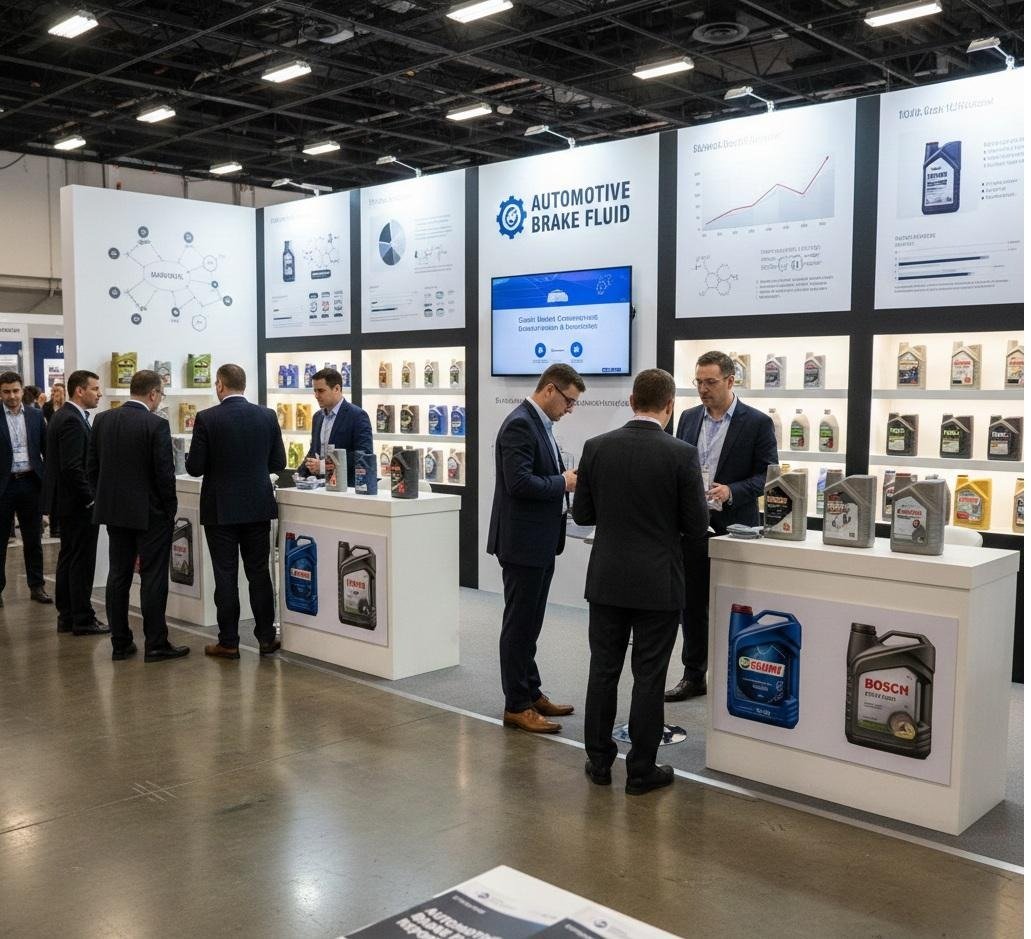
An integral part of this evolution has been the growth of the events, exhibitions, and business tourism ecosystem. International conferences, trade fairs, and global summits have strengthened the region’s role as a platform for dialogue, partnerships, and investment flows.
This calls for targeted interventions, including support for organisers, easier participation processes, and policy-level measures such as government-backed bidding support to attract global conferences, co-funding of large-scale events, temporary fee waivers for venues and permits, and fast-track visa regimes for delegates and exhibitors. Establishing dedicated national or regional convention bureaus with mandates to attract and anchor global events can further strengthen the sector’s long-term competitiveness.
Aligning innovation with long-term priorities
GCC countries have made significant investments in areas such as food security, water infrastructure, and logistics resilience, reflecting a forward-looking approach to economic sustainability. At the same time, venture capital activity across the region continues to be led by sectors such as fintech, digital platforms, and AI.
These parallel trends highlight the importance of continued alignment between public investment priorities and evolving innovation ecosystems. Strengthening linkages between these domains can help ensure that innovation contributes not only to growth, but also to long-term resilience.
Balancing competitiveness with livability
As GCC cities continue to grow, attention is increasingly turning to the broader conditions that support economic participation. Alongside business-friendly reforms, considerations such as housing affordability, food systems, and healthcare accessibility are becoming more central to long-term competitiveness.
Addressing these areas can enhance the overall business environment by supporting both enterprises and the workforce that sustains them.
A diverse and integrated human capital base
A defining feature of GCC growth has been its ability to bring together talent and entrepreneurship from across regions. Professionals and business owners from India, Pakistan, Sri Lanka, and several African countries have contributed significantly across sectors—from small businesses and services to technology, healthcare, and finance.
This diverse and integrated human capital base continues to be a key strength. Supporting its long-term participation through stable and enabling conditions will remain important for sustained growth.
Expanding access within healthcare systems
Healthcare has seen substantial development across the GCC, with advanced infrastructure and high-quality services. While the GCC boasts world-class infrastructure, the next frontier lies in diversifying delivery models. Strengthening primary care networks and mid-cost facilities will not only broaden accessibility but also solidify the region’s burgeoning status as a hub for wellness tourism.
Looking ahead: reinforcing resilience
The recent period of regional volatility serves as a reminder of the importance of resilience in an interconnected global environment. For the GCC, they also highlight the opportunity to continue refining an already dynamic development model.
With ongoing engagement in emerging global platforms such as BRICS and sustained investment in diversification, the region is well positioned to navigate evolving economic conditions.
The focus ahead is likely to be on strengthening alignment—between policy, investment, and innovation—while maintaining the openness and adaptability that have defined the GCC’s growth story.
(Perumal Koshy)
Author Profile

-
Perumal Koshy is Editor of Global SME News and Director of Strategic Initiatives at Enterprise Futures Lab. He writes on MSMEs, enterprise development, and policy issues affecting small business ecosystems.
Linkedin: https://www.linkedin.com/in/caushie/
Latest entries
 FEATURED10 April 2026From Conflict to Correction: Evolving Economic Priorities in the Gulf
 FEATURED2 February 2026Outlook 2026 | Real Estate: Infrastructure-Led Growth, Integrated Communities, and the Trust Imperative
 Entreprenurs30 January 2026Quality, Crisis, and Consistency: The Rungta Tea Story
 Entreprenurs21 August 2025Entrepreneurship, Values, and Corporate Governance: Building Nations, Not Just Profits